
⚠️ Important Notice: The 46 & 62 East Broadway Clinics are temporarily closed. Please click here for important updates and instructions.
Su Casa is a NYS OASAS Part 820-licensed residential treatment program in Manhattan’s Lower East Side. We provide high-intensity, 24/7 clinical care for adults with Substance Use Disorders (SUD) and co-occurring medical or mental health conditions. As one of the only non-profit organizations in NYC with an integrated Opioid Treatment Program (OTP) on-site, we provide seamless access to Methadone and Buprenorphine in a safe, residential setting.
Hours: Monday - Friday, 8:30 AM - 4:30 PM
Intake Line: 212-566-7590
Address: 7 Gouverneur Slip East, New York, NY 10002
Our program follows a goal-oriented pathway designed by the New York State Office of Addiction Services and Supports (OASAS). Unlike traditional rehab, Su Casa is goal-sensitive, not time-sensitive.
This initial phase focuses on managing withdrawal symptoms and establishing a stable foundation for recovery. Medication-Assisted Treatment (MAT) plays a crucial role in this process, helping clients safely navigate the challenges of detoxification. The stabilization phase typically lasts between 30 and 90 days, with the duration tailored to each individual’s unique needs and progress. This period allows clients to adjust physically and mentally, preparing them for the more intensive rehabilitation work.
Once stabilized, clients transition into the rehabilitation phase. This intensive program is designed to equip individuals with the tools and skills necessary to maintain long-term sobriety. The focus is on developing healthy coping mechanisms for triggers, implementing relapse prevention strategies, and cultivating positive social skills. Through a combination of group and individual therapy sessions, clients explore the underlying issues contributing to their addiction and learn how to manage their recovery journey effectively. This phase empowers clients to take ownership of their recovery and build a strong foundation for a healthier future.
The final element of the Residential Redesign Program is reintegration. This phase prepares clients for a successful return to their communities. Recognizing that recovery extends beyond the treatment setting, this phase provides crucial support in areas such as housing, vocational training, job searches, resumé writing, and connecting with essential community resources. As clients gain independence and demonstrate progress, the intensity of treatment gradually decreases to a minimum of 5 hours per week, facilitating a smooth, sustainable transition back into their community. This gradual reduction in support allows clients to maintain their progress while adjusting to independent living.
At Su Casa, we believe in keeping families together. Our Pregnant Women and Infants Program offers a specialized track where mothers can receive high-intensity treatment while living with their newborns.
One of the most critical barriers to recovery is having to leave a facility to visit a methadone clinic. At Su Casa:
Our residential community acts as the primary vehicle for change. We integrate specific, peer-reviewed therapies into every resident's daily schedule:
Stays are based on individual progress through the three elements, typically ranging from several months to a year.
Su Casa recognizes the importance of family involvement and can arrange home visits once you are stabilized in treatment and can demonstrate the ability to manage activities of daily living without the use of drugs and/or alcohol.
While Su Casa does offer some gender-specific services, most of our residential treatment programs are co-ed.
You will be eligible to have a cell phone thirty days after your arrival for use after program service hours.
You can have a limited amount of money in your possession while in treatment. Please note that you should not bring more than $20 when you arrive for admission.
While in treatment, you will work closely with your primary counselor to fill out the 2010E form to begin your housing process.
Yes, we do. However, it is best to have paperwork from your previous providers sent in as soon as possible.
Providers include:
If you don’t see your provider listed, contact us today.

Susan Berstein
Interim Director of Su Casa and Director of the Opioid Treatment Program (OTP) at Su Casa
Tel: 212-566-7590
Email: sbernstein@lesc.org
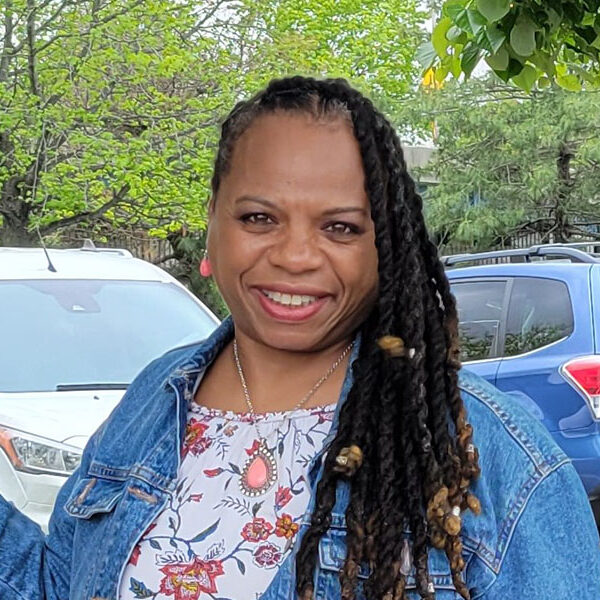
Sabrina Mangual
Intake Coordinator
Tel: 212-566-7590
Email: Smangual@lesc.org
Mobile: 347-538-2632
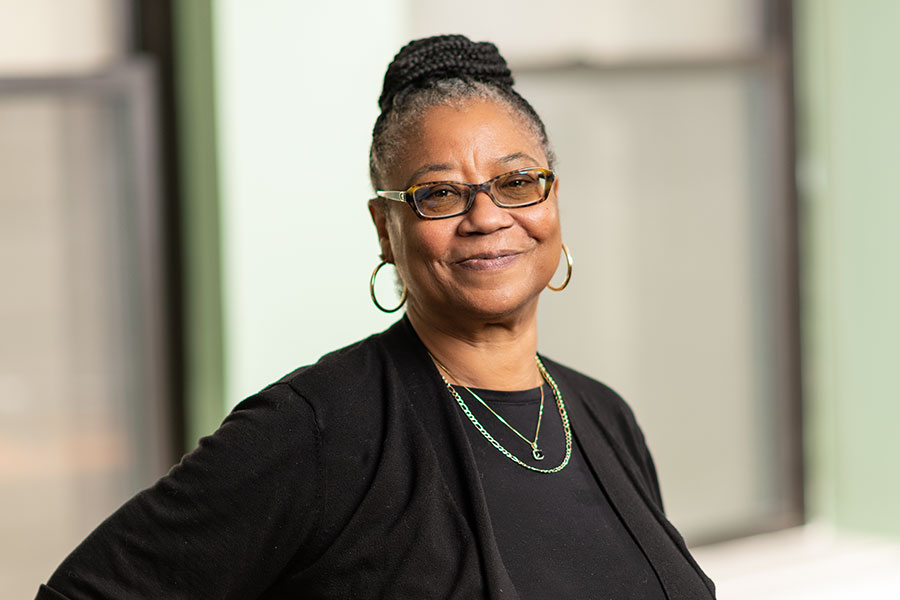
Yvette Sheard Scott
LESC Su Casa Director of Client Support Services and Pregnant Women and Infants Program
Tel: 212-566-8025
Email: Yscott@LESC.org

Esther Ndukwe
Nurse Practitioner
Tel: 212-566-5699
Email: esthern@lesc.org
